Teddy Riner’s 2027 Presidential Bid: Macron Backs Judo Legend’s Run
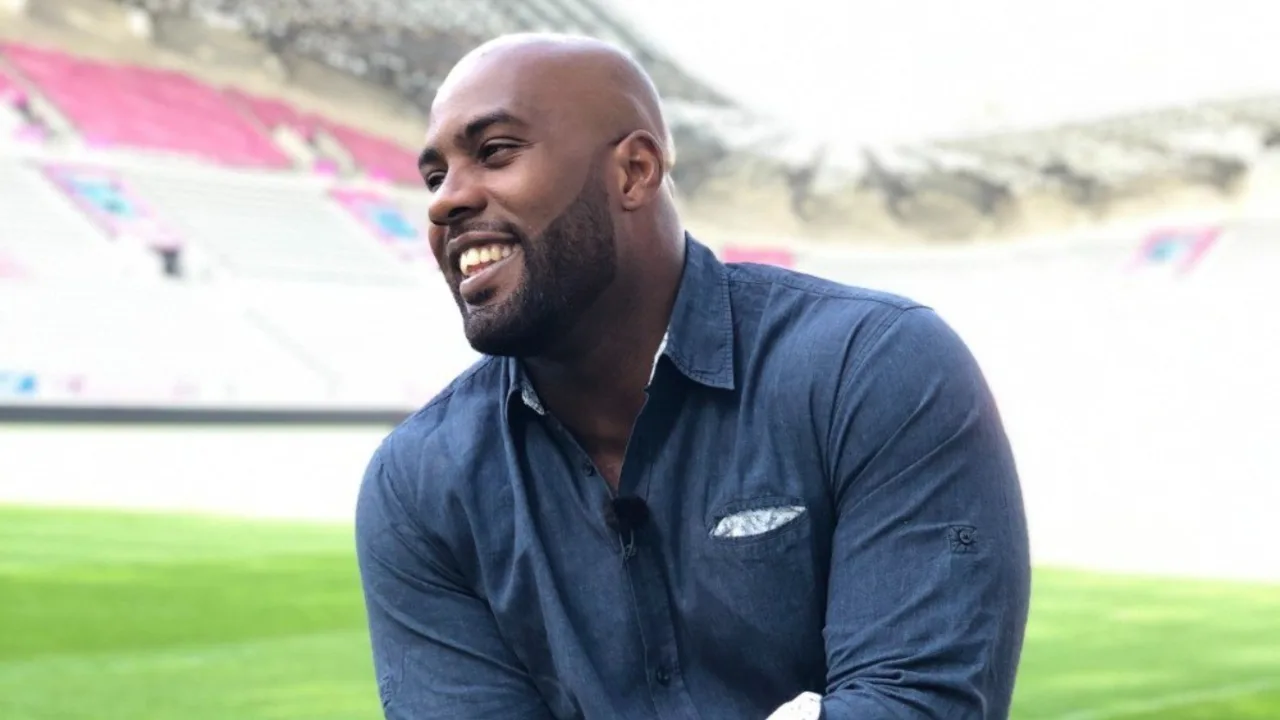
- The Scoop: Five-time Olympic judo champion Teddy Riner declared his candidacy for France’s 2027 presidential election in a social media announcement on November 9, 2026.
- Macron’s Endorsement: President Emmanuel Macron publicly welcomed the bid, praising Riner as “a great champion” contributing “his convictions, his ideas and his talent” to the national debate.
- Ballot Hurdle: Riner enters without prior political office and must secure 500 endorsements from elected officials to qualify for the first round.
Five-time Olympic judo champion Teddy Riner declared his candidacy for France’s 2027 presidential election on November 9, 2026, instantly reshaping the country’s political landscape.
President Emmanuel Macron endorsed the move within hours, calling Riner “a great champion” whose entry “can only benefit the country.”
“My name is Teddy Riner and today, I am telling you face to face: I am a candidate in the 2027 presidential election.”, Teddy Riner
A Champion’s Platform: Discipline, Unity, and the Anti-Partisan Pitch
Riner’s announcement video leaned on the vocabulary of elite sport rather than partisan doctrine, framing his campaign around national cohesion and a rejection of the traditional left-right split.
“Fighting has always been a part of me,” Riner said. “I know what it’s like to fight, to fall down and to always get back up.”
He positioned himself explicitly as neither right-wing nor left-wing, promising to be a “president who brings people together” and arguing France needs “good sense, firmness, justice.”
That anti-partisan framing is a deliberate opening bid for the centrist space Macron will vacate, contrasting with the fractured political messaging that has defined recent French campaigns.
The 500-Endorsement Wall: Riner’s First Real Opponent
Riner’s celebrity is formidable, but French electoral law does not bend to fame. Candidates must collect 500 signatures from elected officials (mayors, parliamentarians, regional councillors) to appear on the ballot.
That threshold is the first genuine test of whether his popularity converts into institutional support, and it will require a nationwide ground operation his team has yet to detail.
Macron’s public warmth is a meaningful signal to the centrist establishment, but the president cannot seek a third consecutive term in 2027, leaving his coalition without an heir and Riner without a party machine.
The endorsement carries weight precisely because it arrives early, giving Riner’s nascent operation a legitimacy stamp before rival candidates firm up their own bids.
France’s Celebrity Politics Playbook and the Road to 2027
France has elected outsized personalities before, but Riner’s leap from tatami to tribune is a sharper break than most. He has never held office, never run a campaign, and never faced a debate stage.
His opponents will test whether a career built on individual combat translates into coalition politics, a discipline that rewards compromise over the solitary discipline of the mat.
The months ahead will reveal whether Riner assembles a serious policy apparatus or runs as a personality vehicle, and whether Macron’s blessing opens doors or saddles him with an unpopular incumbent’s baggage.
Every twist in the race will be tracked across our political news desk, where the 2027 field is already taking shape.
The economics of this campaign are brutally simple: without 500 endorsements by the qualifying deadline, Riner’s name never reaches a ballot, and no amount of Olympic gold can buy him a line on the French presidential ballot.