Maharaja Ending Explained: The Razor’s Truth & What Jothi’s Rescue Means

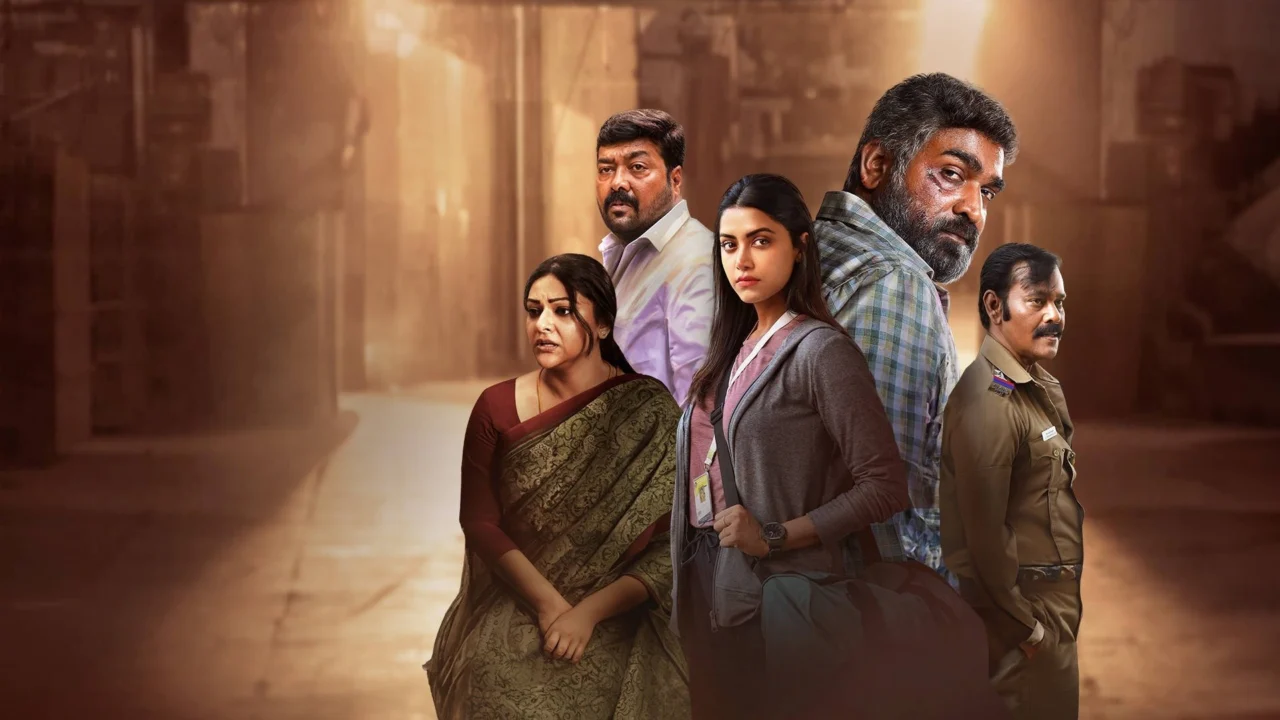
The final frames of Maharaja leave viewers in a moral fog, watching a bloodied barber walk into the night carrying a child who isn’t his. The quiet man who reported a rape has just confessed to two murders and committed a third in front of a police inspector. The burning question is not whether Maharaja succeeded, but whether the man limping away from the station is a grieving father, a cold-blooded avenger, or something far more tragic.
The Road to the Climax: Stakes and Setup
Maharaja, a widowed barber, walks into a police station claiming three intruders raped his young daughter Lakshmi. Inspector Sargunam opens an investigation, but every thread unravels quickly. There is no living daughter on record; Maharaja’s wife and child died eight years prior in a road accident caused by the same three men.
The investigation becomes a maze of misdirection. Maharaja visits the station obsessively, pushing for action while Sargunam digs into contradictions. The final act relocates to the station and an abandoned house, where the true chess pieces emerge: Maharaja, Sargunam, the three perpetrators, and a surviving girl named Jothi.
The Climax Deconstructed: What Actually Happened
Sargunam corners Maharaja with the truth: the assaulted girl is Jothi, daughter of one of the rapists. Maharaja confesses he has already killed Selvam and Nallasivam, luring them with promises of stolen money and burying their bodies. The confession is not remorse; it is a calculated reveal designed to force Sargunam’s hand.
Bhola, the third perpetrator, storms the station seeking revenge. Inside the lock-up area, Maharaja stabs him with a concealed razor. Sargunam shoots Maharaja in the shoulder but deliberately aims non-lethal. The inspector watches as Maharaja lifts the injured Jothi and walks out, carrying the girl he avenged into an uncertain future.
The Big Twist Explained: The Truth Behind the Mystery
The central revelation is devastating: Maharaja never had a living daughter when the break-in occurred. Lakshmi died years earlier. The girl assaulted was Jothi, whom Maharaja had been secretly sheltering after discovering the three men were the same gang responsible for his family’s death.
The twist was hidden in plain sight from the opening scene. Maharaja’s daily visits to the police station were never about reporting a fresh crime. He was guiding investigators toward the perpetrators while never confessing his own executions. The theft complaint was deliberate misdirection, a legal fiction designed to force police resources toward men he had already marked for death.
Character Fates: Who Survived and What Changed?
Maharaja survives his gunshot wound but emerges psychologically shattered. He completes his revenge at the cost of his remaining humanity, transformed from a quiet barber into a man who buried two bodies and slit a third throat. The razor that once trimmed hair became an instrument of lethal precision.
Sargunam lets him go, crossing an ethical line by covering up the murders. Selvam and Nallasivam lie dead and buried. Bhola dies from the razor wound at the station. Jothi survives and enters protective custody, the sole innocent carried through the carnage.
Thematic Meaning: What the Ending Really Symbolizes
The ending symbolizes the corrosive cycle of grief and revenge. Loss transforms a gentle man into a calculated killer, and the film refuses to celebrate or condemn that transformation. The barber’s razor recurs as a dual symbol: it represents both his livelihood and his lethal capability, the same hands that shaped hair now shaping fate.
The film forces a brutal question: does institutional failure justify extrajudicial murder? Sargunam’s decision to look away suggests the system recognizes its own inadequacy. Yet the final image of Maharaja walking away offers no catharsis, only the hollow victory of a man who has become the very thing he hunted.
Post-Credits Scenes and Sequel Potential: What Lies Ahead?
There are no mid-credits or post-credits scenes. The narrative is entirely self-contained, with Maharaja’s revenge completed and Sargunam’s complicity closing the story without dangling threads. No sequel hooks exist within the film’s structure.
Unanswered questions linger in the audience’s mind rather than on screen. Whether Sargunam will face consequences for shielding Maharaja remains open. Fan theories split between viewing Maharaja’s actions as pure cathartic justice and reading the final shot of him walking with Jothi as a warning that the cycle of violence may repeat if new threats emerge.
Maharaja ends not with resolution but with residue. The blood has been spilled, the debts collected, and yet the silence that follows offers no peace. What remains is the uncomfortable truth that justice and vengeance can wear the same face, and the difference is often only a matter of who is holding the razor.

Recommended for You
Dhamaal 4 (2026): Familiar Laughs, Bigger Ensemble, Same Old Formula
The opening-day numbers are in, Rs 13.75 crore nett in India and Rs 21.50 crore worldwide, per GoodReturns citing Sacnilk and trade…
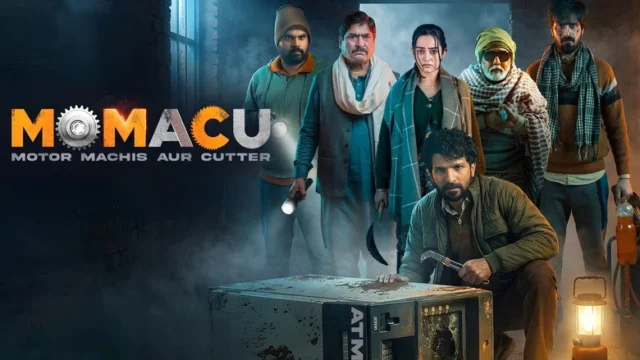
Momacu (2026): Jatin Sarna and stands out while the narrative loses grip
Three desperate men in rural Haryana haul a stolen ATM machine into an isolated tube-well room, believing it holds their ticket out…
I’m Not An Actor (2026): Nawazuddin Siddiqui’s Confined Drama Tests The Limits Of Performance
There is a moment in the extended video-call sequence where Adnan Baig, a recently retired Frankfurt banker, is asked to improvise grief…