Aryabhatt Ka Zero (2026): Himansh Kohli’s Sincere Underdog Drama Lacks The Spark It Needs
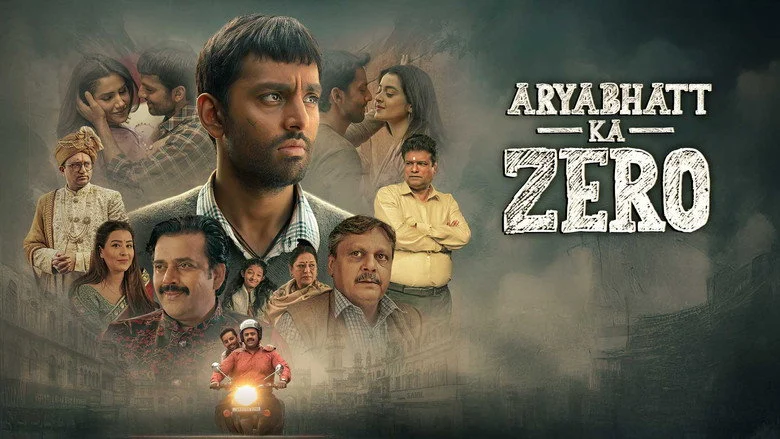
The moment Baggu sits down to register for the UPSC exam, you feel the weight of every dismissal he has absorbed. Himansh Kohli makes this turning point land with genuine desperation rather than rehearsed defiance.
His breakdown scenes carry a rawness that the rest of the film struggles to match. This is where Aryabhatt Ka Zero finds its pulse, even if it loses it soon after.
Kohli Carries The Film Beyond His Romantic Image
Kohli has spent years trapped in rom-com territory, so watching him inhabit Baggu’s fragile self-worth feels like a deliberate career move. He commits fully to the character’s humiliation, letting his face do the work when the screenplay offers him little else.
His strongest material arrives in the father-son confrontations with Neeraj Sood, where disappointment cuts both ways. The film’s emotional core depends entirely on Kohli’s ability to make failure feel lived-in, and he mostly succeeds.
I found myself wishing the writing trusted him more, because his recovery arc deserves sharper dialogue than the platitudes he is handed.
A Familiar Template That Never Escapes Its Own Predictability
The underdog-who-becomes-an-aspirant structure has been done better, most notably by 12th Fail, and Aryabhatt Ka Zero never quite justifies its existence alongside that benchmark. Director Kamal Chandra keeps the Uttarakhand small-town setting grounded, but the dramatic beats follow a rhythm you can clock from the first reel.
The middle section drags through preparation montages and routine setbacks that feel like checklist items rather than lived experience. Chandra’s direction is functional, competent, but never distinctive enough to elevate the material beyond its derivative bones.
What saves the film from being entirely forgettable is its refusal to manufacture a villain. The real antagonist here is social judgment and institutional pressure, which gives the drama a sincerity that glossy versions of this story lack.
The Supporting Cast Adds Texture The Script Cannot
Ravi Kishan reportedly steals scenes with the kind of effortless screen presence that makes you wish the film had found more room for him. His casting signals a desire for authenticity, even if the role itself remains underwritten.
Neeraj Sood anchors the family conflict as Aryabhatt, the father whose disappointment fuels Baggu’s insecurity. Their scenes together form the emotional engine of the drama, even when the writing leans on familiar generational conflict tropes.
Sonnalli Seygall plays Rinku, the romantic anchor whose marriage to Gopal Dutt’s SDM creates the relationship-driven tension. Shilpa Shinde and Rajesh Sharma round out the ensemble, adding small-town texture that supports the film’s slice-of-life ambitions.
A Sincere Film That Couldn’t Find Its Audience
The box office numbers tell a sobering story, with Bollywood Hungama reporting an opening day of just ₹0.16 crore and a first week total of ₹0.51 crore. FilmiBeat’s worldwide gross of ₹2.80 crore does little to soften what trade analysts have already labelled a flop.
The audience complaints mirror the critical response: familiar structure, predictable resolution, uneven emotional payoff. DNA’s 3.5/5 rating feels generous, while the general consensus suggests a film that means well but never quite lands its punches.
The motivational self-belief angle clearly resonated with some viewers, but not enough to translate into theatrical footfall.
For those who enjoy heartfelt Hindi dramas with a small-town flavour, there is genuine warmth to be found in Kohli’s performance and the family dynamics. But the film’s predictability and routine pacing will test the patience of anyone who has seen this story told with more sharpness.
Browse more Hindi Drama reviews for films that handle similar themes with greater craft.
Aryabhatt Ka Zero is a well-intentioned but derivative drama that works best as a showcase for Himansh Kohli’s dramatic range. Watch it for his performance and the father-son conflict, but adjust expectations for a story that never surprises. The film earns a modest 2.5/5 for its sincerity, even when the execution falters.
Fans of Kohli’s emotional register might also appreciate the raw intimacy found in How Not review.
For more grounded character studies in Hindi cinema, DC verdict offers a different kind of dramatic reinvention worth exploring.
Aryabhatt Ka Zero (2026): Himansh Kohli’s Sincere Underdog Drama Lacks The Spark It Needs
Visually captivating cinematography, stellar sound design, and commanding performances.
Slight pacing drag in the second act before the climactic resolution.